
Woodcare, restoration and protection products
Restore and protect
Wood naturally.
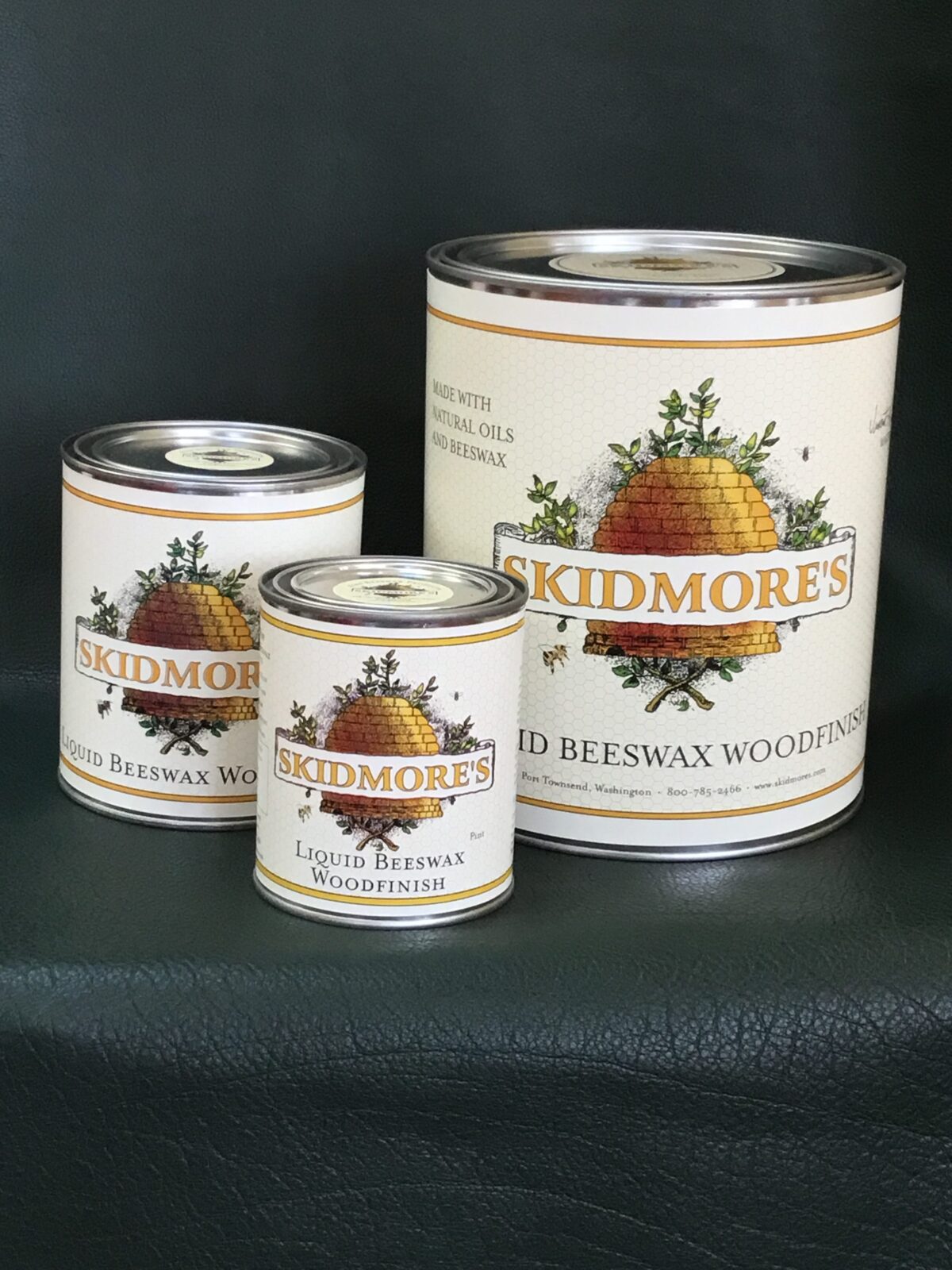
Furniture, floors, a table with grain you want to keep — wood like that is worth protecting. Liquid Beeswax Woodfinish feeds the grain and brings out what’s already there.

Start here
Which one do I need?
| Product | What it’s for | Finish / result | Reapply | From |
|---|---|---|---|---|
| Liquid Beeswax Woodfinish | Furniture and interior wood that looks dry or dull | Feeds the grain, natural beeswax sheen | Once a year for normal use | $32 |
| Liquid Beeswax Sealer | Wood that already has finish and needs a lock | Protection on top — moisture pearls | Every few years, depending on wear | $32 |
| Restoration Cream | Neglected, sun-baked, or long-dry wood | Softens and feeds so you can finish it | Once to restore, then finish to maintain | $17 |
| Galley Wax | Food-contact wood — counters, boards, bowls | Food-safe flax and beeswax, does not go rancid | When the wood looks dry | $20 |
Wood Restoration & Protection
Our signature Wood Care products

Liquid Beeswax Woodfinish
$32
The finish Vince mixed in an antique shop, long before there was a company. It feeds and colors the wood instead of sitting on top — non-toxic, pleasant to use, made to bring out what’s already there.
Pint for a table · quart for a room · gallon and 5 gallons for floors. About 500 sq ft per gallon.

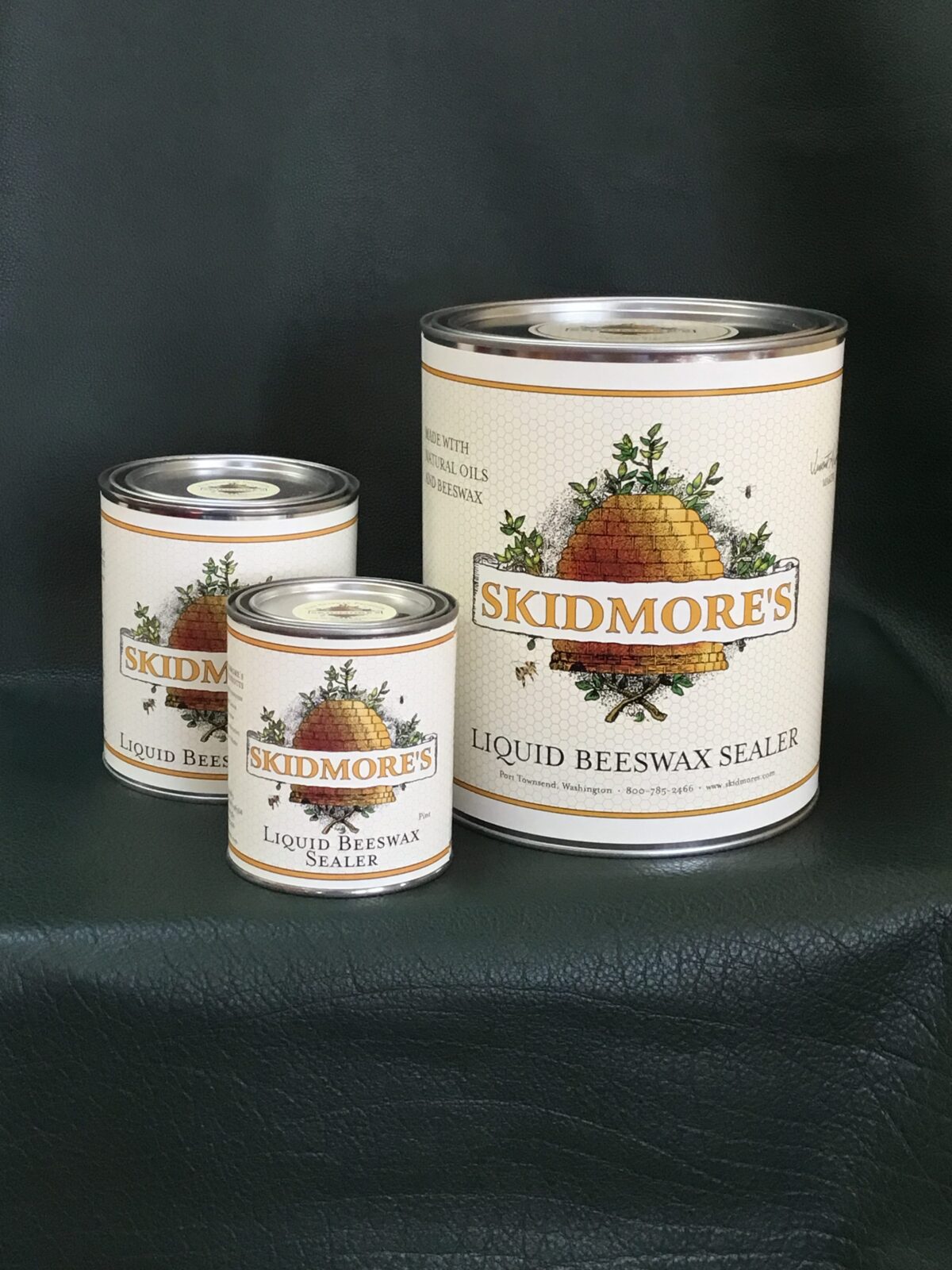
Liquid Beeswax Sealer
$32
Clear coat over woodfinish, or on its own when you want protection without color. Moisture pearls, and the grain still shows.
Pint through 5 gallons. Goes on after the finish has set.

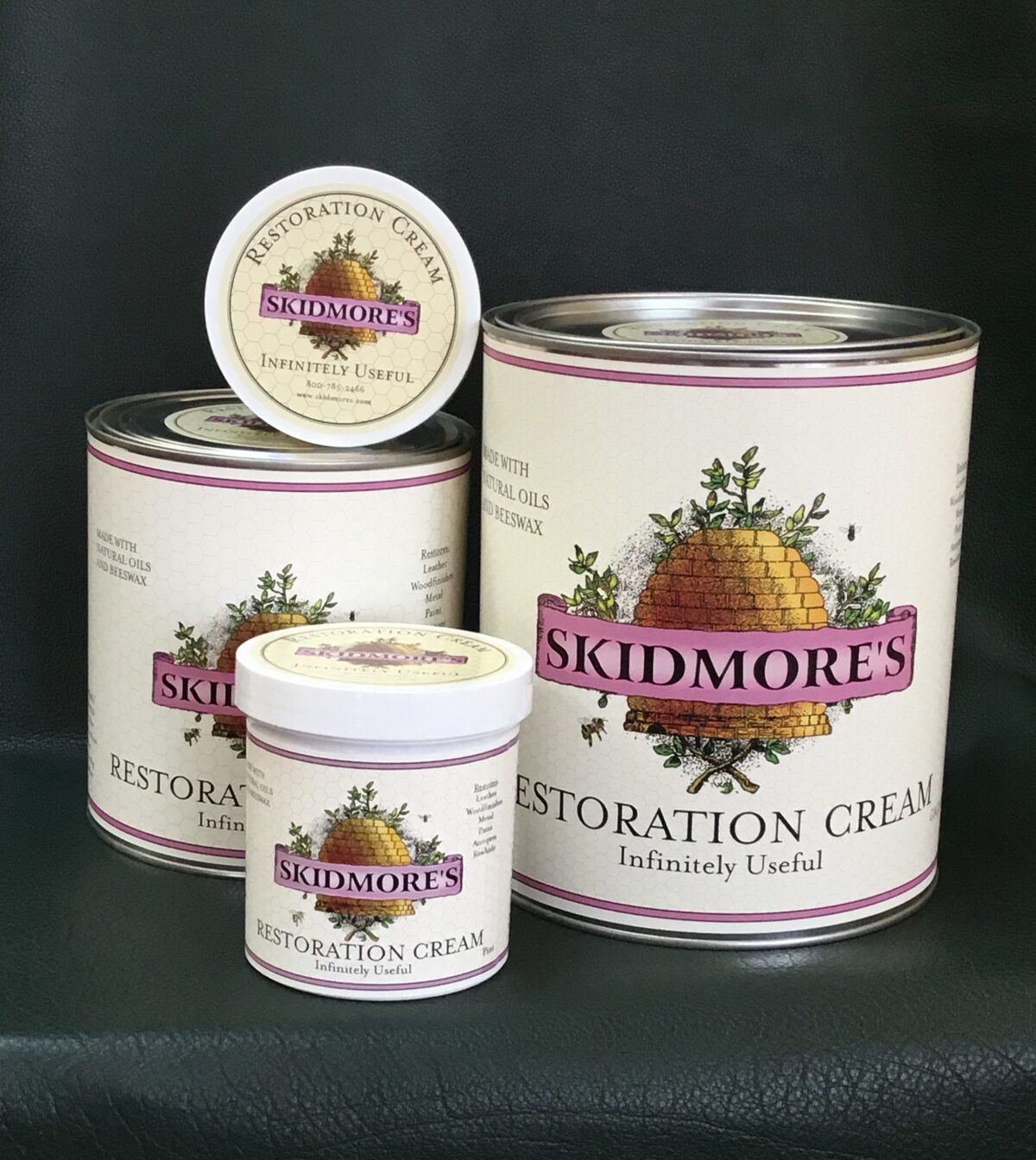
Restoration Cream
$17
For wood that’s been left dry in the sun. It softens and feeds so you can finish it.
6 oz through gallon. Once to restore, then finish to maintain.
Galley Wax
$20
Food-safe flax and beeswax for butcher block, cutting boards, bowls, and utensils. It does not go rancid.
10 oz. When the wood looks dry.

Beeswax Cakes
$5
Pure beeswax for rubbing into dry wood, a small touch-up, or a workshop job.
One cake.
Tools for the job
Applicator brushes and pads
These are the tools we use because of their high quality, durability, and ease of application.
-

Ball and bullet brushes together for seams, stitching, and fine edges.
- Detail
- Brush set
-

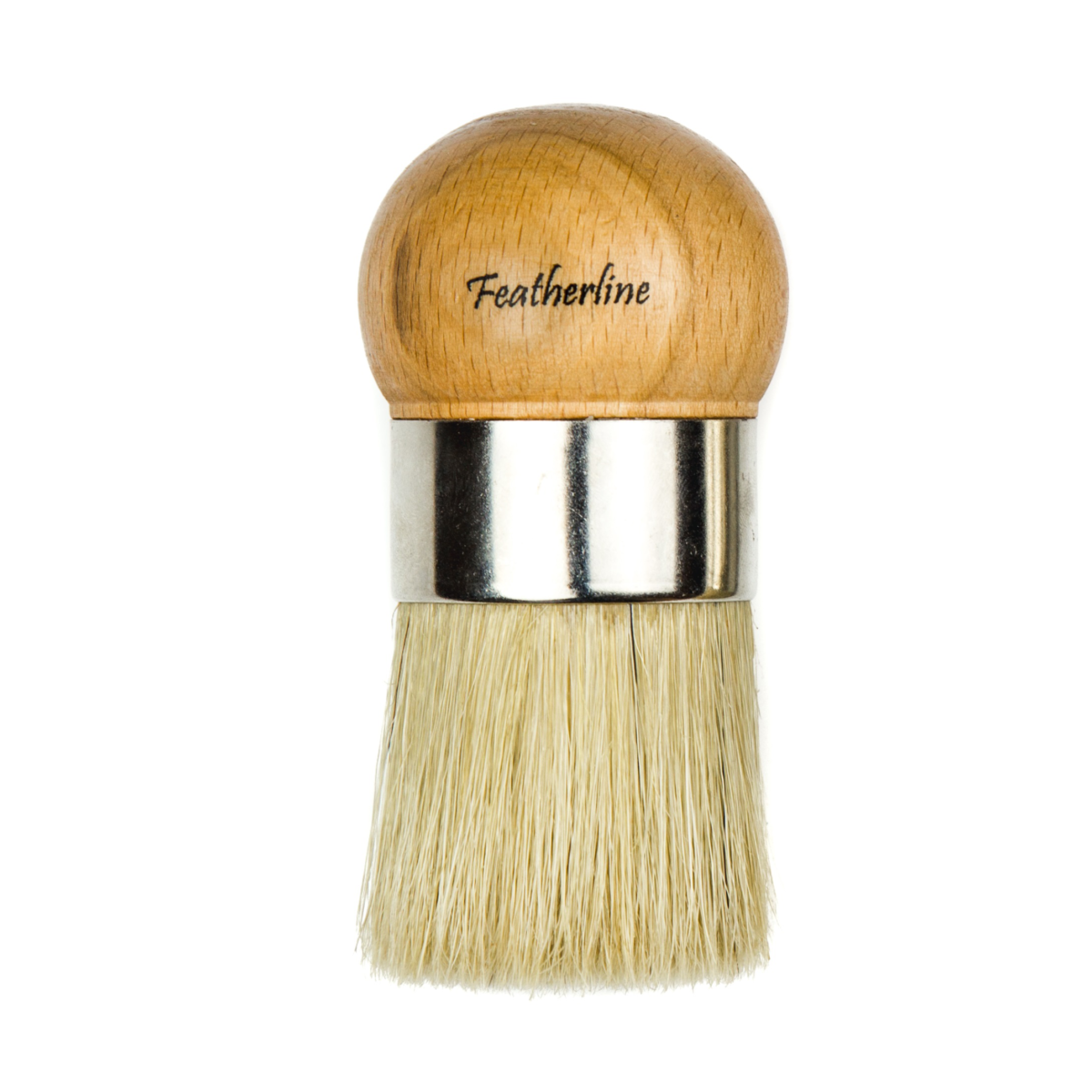
Soft oval brush for cream and finish — the one most folks keep within reach.
- Cream
- Finish
-
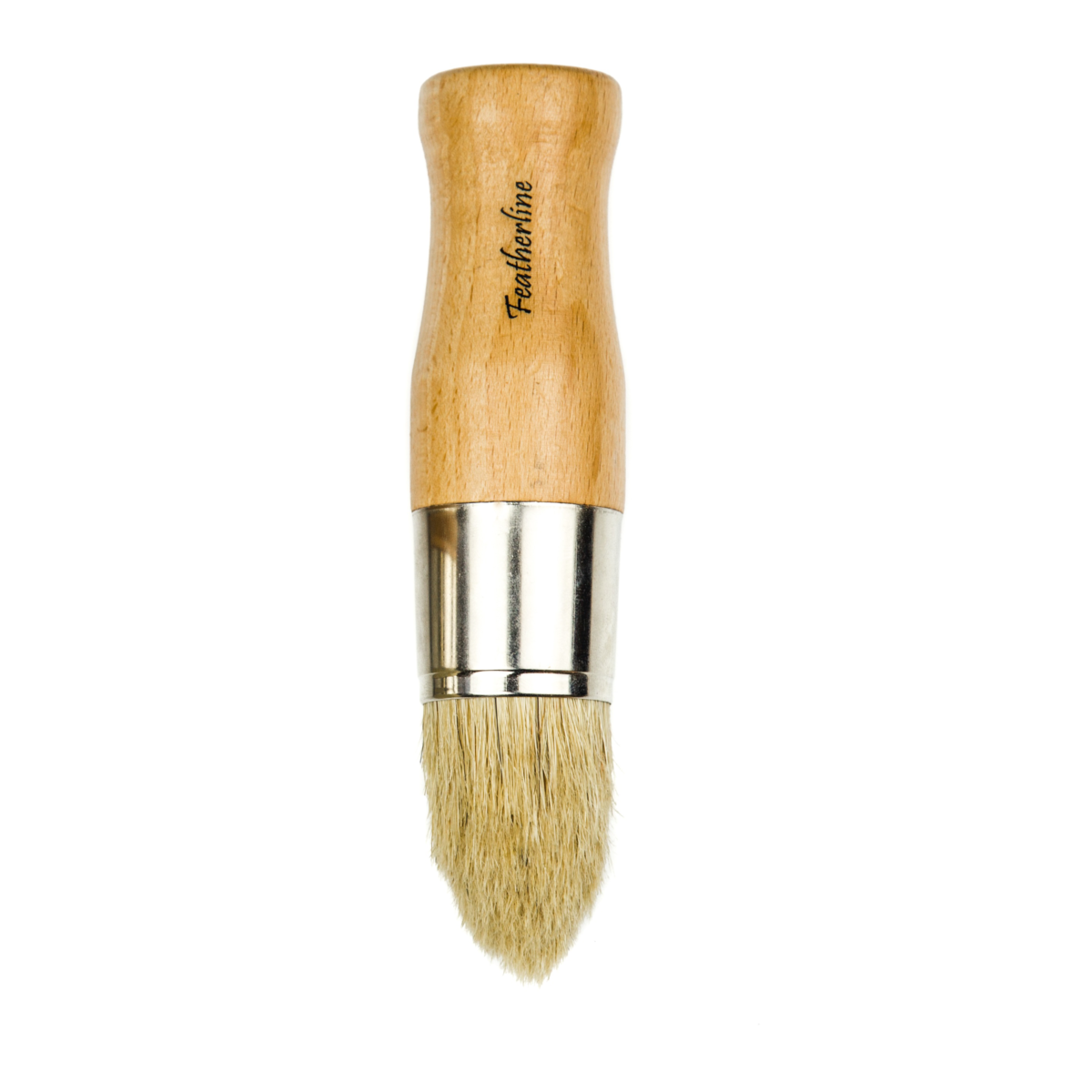
Rounded tip for curves, seams, and tight spots on leather and wood.
- Curves
- Detail
-
Pointed tip for stitching lines, creases, and detail work.
- Stitching
- Detail


Grain that keeps catching light.
Doing it right
Wood restoration is easy with Skidmore’s.
1
Prep
Wipe the wood clean and dry. Dust and old wax keep the new coat from taking.
2
Apply
Brush or roll a thin coat of Liquid Beeswax Woodfinish with the grain. Let it soak.
3
Buff
Wipe back the extra. Sealer goes on after the finish has set, if the job needs it.
Out in the world
What people use it on
From the mailbag
What people wrote in
The quart arrived this afternoon and I rushed to put a coat on our cherry dining table and sideboard. Even withouth the rubbing and buffing, the change is simply extraordinary.
Jonathan B. · Richmond, NH · Cherry dining table
Thank you so much for making this unique product. I am now using it on our decades-old teak furniture and on our redwood door made near the coast of northern California and living at 6,000 feet in the desert mountains of SW Utah.
Kerry W. · Teak furniture and redwood door
Just a note to say that we finished coating our cedar fence and it looks (and smells) amazing! We’ve had so many compliments and hopefully some folks will follow through on buying some Skidmore’s 🙂
Zach P. · Cedar fence
Handmade in Port Townsend, Washington.
Questions about the wood line
What is Galley Wax used for?
The Galley Wax was formulated in response to many requests for a food-safe wood treatment. It is made with pure flax seed oil and beeswax and does not turn rancid. It is ideal for butcher block counters, cutting boards, wooden bowls & utensils.
Finish or sealer — which do I need?
Finish feeds and colors the wood; sealer locks in protection on top. Most projects use finish first, sealer after.
How often should I recoat?
Once a year for furniture that gets normal use is a good rule of thumb — more often for floors or anything handled daily.
Is it safe around kids, pets, and food-adjacent surfaces?
Yes. Our finishes are non-toxic and pleasant to use — that’s been the point since Vince first mixed it in an antique shop.
Are your wood finishes low-VOC?
Yes. Our wood care line, in fact all our products, have less than 10 ppm VOCs. You can use them indoors and outdoors on furniture, cabinetry, and woodwork.

Exceptionally Low VOC

Locally Made / Small Batches

Over 40 Years Experience

From the hive to the workshop

Secure checkout